
Before visiting South Korea, it helps to understand the country’s travel rules, local customs, and cultural etiquette. From entry requirements to everyday behaviors, some things that feel normal in other countries can be considered rude or unusual in Korea. Here are 20 South Korea travel rules every tourist should know before their trip.


I can feel your excitement as you plan your trip to the Republic of Korea.
We put together this guide covering cultural norms, travel tips, safety precautions, visa policies, K-ETA applications, and advisories.
This guide will help you navigate everything from proper etiquette to practical travel advice. It will help you avoid disputes and problems with South Korean immigration law.
The Do’s When Visiting South Korea
1. Learn Korean Basic Phrases
Knowing a few Korean words can go a long way. While many Koreans understand English, using local phrases can enhance your experience. Here are some useful ones:
- Where? – 어디? (Eodie?)
- How much? – 얼마예요? (Eolmayeyo?)
- Thank you – 감사합니다 (Kamsahamnida)
- I’m sorry – 죄송합니다 (Jwesonghamnida)
- Hello – 안녕하세요 (Annyeonghaseyo)
2. Bow When Greeting Someone
Many Koreans prefer a slight bow when greeting someone. A deeper bow is used for formal occasions or showing great respect.
Handshakes are common in business settings. But always wait for the other person to offer their hand first.
3. Accept Things with Both Hands
Politeness is highly valued. Always use both hands as a sign of respect. Do it even when receiving change at a store or accepting a business card.
Koreans also appreciate it being done after receiving a gift. This is a small but meaningful gesture that will be appreciated by locals.
4. Respect Elders in Every Situation
Respect for elders is deeply ingrained in Korean society. You should always let older people enter a room first. Allow them to eat first.
Also, slightly bow your head when passing by an elder in a narrow space. On public transport, seats for the elderly are strictly off-limits – even if they’re empty.
5. Be Cautious When Using Chopsticks
Never stick chopsticks upright in a bowl of rice. This resembles incense sticks at funerals.
Also, avoid passing food from one pair of chopsticks to another. This is similar to a ritual performed at cremations.
6. Take Off Your Shoes Before Entering Someone’s House
In South Korea, it’s customary to remove your shoes before stepping into a home or certain restaurants.
Ignoring this tradition may offend your host, and you may even get a few disapproving stares from locals.
7. Follow Trash Segregation Rules
South Korea has strict waste disposal laws. If you’re staying for an extended period, be sure to follow proper recycling guidelines. Improper disposal can lead to fines.
The South Korean government enforces waste management regulations. It makes the country one of the global leaders in recycling!
8. Use Your Palm When Calling a Taxi
It might be surprising, but Koreans don’t call taxis using only one finger. It is considered rude to them. Although it’s just a small gesture, Korean people will appreciate it.
9. Press the ‘Close Door’ Button in Elevators
In Korea, it’s normal for people to press the “close door” button in an elevator to speed things up. If you don’t, you may be seen as inconsiderate.
10. Hold Your Cup When Drinking with Elders
When drinking alcohol in a group setting, turn your head slightly away from elders and hold your cup with both hands when they pour your drink. This is a small but important gesture of respect.
The Don’ts When Visiting South Korea
1. Don’t Blow Your Nose in Public
Blowing your nose in public, especially at restaurants or on public transportation, is considered rude and unhygienic. Step into a restroom or private space instead.
2. Don’t Write Names in Red Ink
This is seen as a bad omen in Korean culture. Traditionally, writing someone’s name in red ink is seen as unlucky. This is because it’s connected to death. Stick to black or blue ink for writing names.
3. Don’t Tip at Restaurants or Bars
Unlike in Western culture, tipping is not a common practice in South Korea. In some cases, it might even be considered offensive.
High-end restaurants may include a service charge. But there’s generally no expectation to leave extra money.
4. Don’t Take Photos Without Permission
Yes, this is illegal not only in Korean culture but also under South Korean law. Especially if you take a picture of a woman without her consent, then upload it to local media.
Taking general photos and a selfie is fine, but beyond that, it’s rude. You might face the consequences of being questioned by police and local authorities.
Always ask for permission before taking close-up photos of strangers.
5. Don’t Be Loud on Public Transport
Other countries don’t usually practice this. But Koreans value personal space. Speaking loudly on public transportation may be considered disrespectful. It will earn you protests and rude stares.
So if you’re too noisy and that you disturb other people, you’ll be considered rude. In public transport, be considerate and always be mindful of other people.
6. Don’t Point Directly at People
Pointing at someone with your index finger is considered rude and confrontational. Instead, use your entire hand or a slight gesture.
7. Don’t Speak Casually to Strangers
In Korean culture, there are formal and informal speech levels. Avoid speaking casually to strangers. Pedestrians around you or people who are older than you will think it disrespectful.
8. Don’t Walk and Eat at the Same Time
Unlike in many countries, eating while walking is not a common practice in South Korea. Locals usually finish their food at the place where they bought it.
9. Don’t Assume Everyone Drinks Alcohol
Korea has a strong drinking culture, but not everyone drinks. If someone declines a drink, don’t pressure them.
10. Don’t Ignore Advisories About North Korea Tensions
There are still tensions on the Korean Peninsula. Occasional missile tests, civil emergency drills, or demonstrations can impact travel. Check travel advisories before your trip.
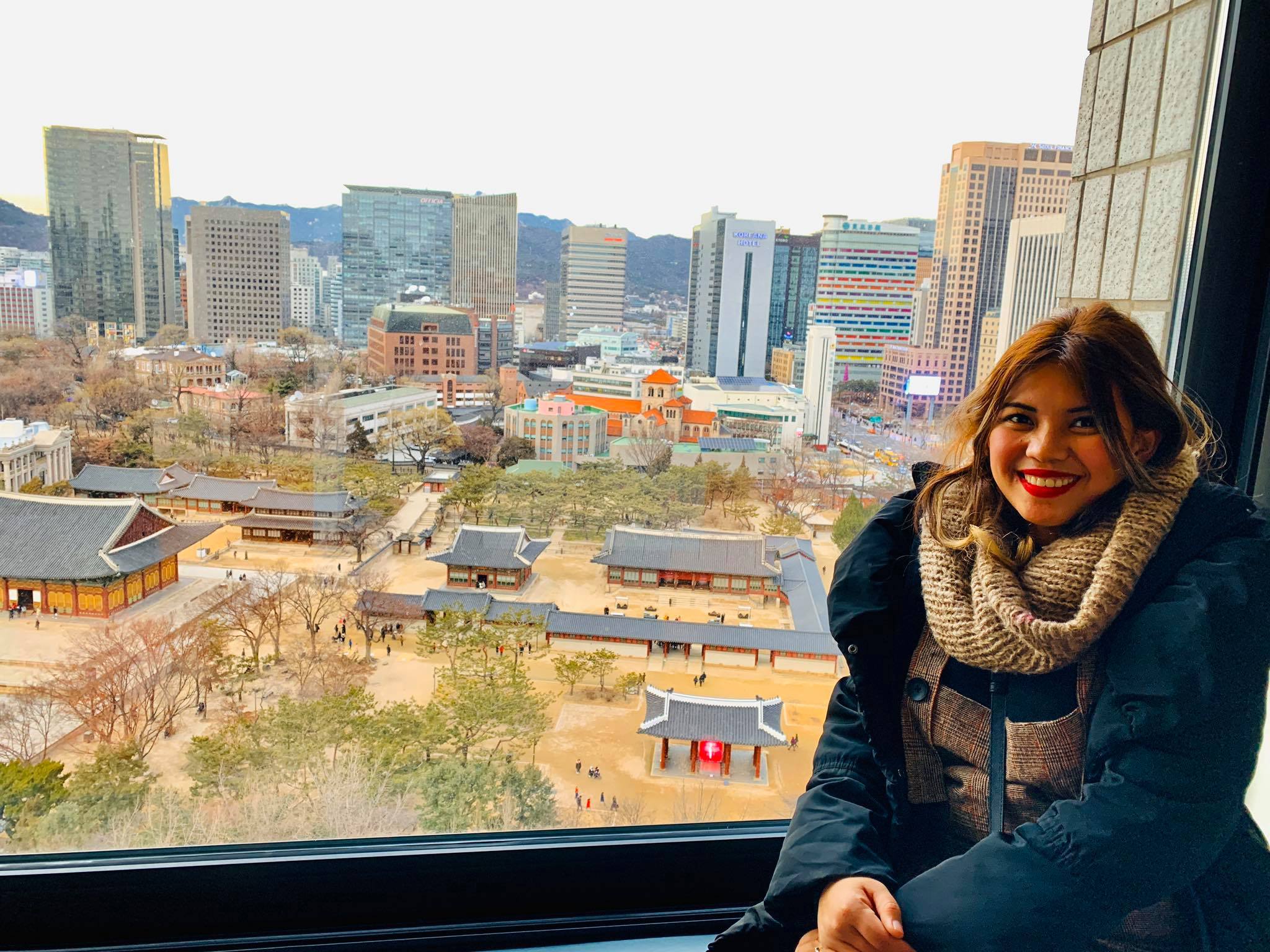
Helpful Apps to Use in South Korea
To travel smoothly around South Korea, you need the following apps:
Navigation & Transport
- Naver Map – best for walking routes, trains, buses, and directions.
- KakaoMap – a great alternative to Naver Map.
- Kakao T – used to book transportation services.
- Subway Korea – helps tourist understand subway routes, transfers, and station exits in Seoul and other cities.
- KorailTalk – official app for booking KTX bullet train tickets and other train rides around Korea.
Language & Communication
- Papago – the best translation app for Korean words and conversations.
- KakaoTalk – the most popular messaging app used in Korea.
Food & Dining
- Coupang Eats – for food deliveries
- Catch Table (Global) – for reserving restaurants without needing a Korean phone number.
Tours, Activities & Utilities
- Klook – for booking tours, airport transfers, and attraction tickets
- BucaCheck – lets you check your T-Money card balance using your phone.
- Emergency Ready App – official Korean safety app for weather alerts, earthquakes, and emergencies in English.
Important South Korean Travel Considerations (2026 Update)
Before you go on your journey, look up the travel regulations and safety advisories. Also, check out seasonal risks that could impact your trip.
Visa & Entry Requirements
- Check if you qualify for visa-free entry or need a K-ETA (Korea Electronic Travel Authorization) before your trip.
- Some travelers may currently qualify for temporary K-ETA exemptions. Rules may change anytime, so always check the official K-ETA website before departure.
- Your passport should usually have at least 6 months of validity remaining before entering South Korea.
- Immigration officers may ask for proof of accommodation, return tickets, or travel funds.
Weather & Natural Disasters
- Typhoons, flooding, and heavy rain are common between June and August.
- Winters in Korea can become extremely cold, especially from December to February.
- South Korea occasionally experiences small earthquakes and emergency weather alerts.
- Download emergency alert apps and follow local government advisories during your stay.
Safety & Advisories
- Always carry Ekta Traveling insurance, it covers unexpected situations, including medical emergencies.
Packing Essentials
- If visiting between December and April, pack winter coats and thermal layers to stay warm.
- During the rainy season (June–August), bring waterproof bags and umbrellas.
Find Hotels in South Korea
Whether you’re staying in Seoul, Busan, Jeju Island, or other destinations, booking accommodations early can help you secure better prices and locations. Use the interactive map below to compare hotels, guesthouses, apartments, and vacation rentals across South Korea.
Final Travel Tips Before Visiting South Korea
Now, for a final piece of advice, here’s something you must know. Foreign residents and people with dual nationality must carry their passports or Residence Cards at all times. Compliance to this rule is very important!
Picture this: You’re casually strolling through Myeongdong when a consulate police or military service officer asks for your ID. If you don’t have it, you could face fines or legal trouble. So, before heading out, do a quick pocket check – it’s better to be safe than sorry!
As a tourist, you must know the general rule before traveling to a certain place. Respect their culture and follow their rules.
That’s it! Now, you’re all set. I hope this article helps you. Now go on and head your way to the beautiful country of South Korea!
FAQ
Touching strangers, speaking loudly in public, and ignoring elder etiquette may be considered rude in South Korea.
Items such as illegal drugs, firearms, counterfeit products, and explicit materials are restricted or prohibited in South Korea.
Foreigners should follow immigration laws, carry proper identification, and avoid illegal drugs because South Korea has strict enforcement policies.
Yes, South Korea is considered one of the safest countries in Asia for tourists. Violent crime rates are low. Public transportation is reliable and safe even at night.
About the Writer

Hi there! I’m Fatima. My first major travel was in 2016 in the beautiful city of Cebu. After that, I got interested in traveling. Now I enjoy learning languages and other country’s cultures. My goal is to visit at least one country each year and to share my experiences with other people through writing or blogging. Witness my journey by following me on Instagram.