
Here’s our updated 2025 list of things to do in Biak na Bato National Park. It’s perfect if you want to hike Mt. Manalmon or explore caves like Bayubok, Aguinaldo Cave, or Madlum Cave. In Philippine history, Biak-na-Bato was the first declared republic. Emilio Aguinaldo led it in a barangay with the same name. The area became a National Park in 1937, proclaimed by Manuel L. Quezon.
If you’re planning short trips like a 72 hours itinerary in Batanes, this park is a great practice. It’s also ideal if you’re slowly transitioning into becoming a Filipino Digital Nomad. You get nature, history, and a low-cost adventure all in one spot.
Starting your remote work journey? Don’t miss TMTG’s eBook “The A-Z on Becoming a Digital Nomad“. It has tips, guides, and insights to help you take that first step into location-free living.
The Pact of Biak na Bato was signed here in 1897. It ended a phase of the Philippine Revolution in exchange for monetary indemnity and Aguinaldo’s exile to Hongkong. Today, the site is a peaceful and scenic retreat for locals and tourists.
Things to Do in Biak Na Bato National Park
Hike Mt. Manalmon
Want to hike near Metro Manila? Mt. Manalmon is great for beginners. The hike takes 1 to 2 hours going up. It takes another hour to go down. Tour guides are required for your safety. Want more challenge? Mt. Gola is just a 30-minute to 1-hour hike away.
Spelunk in the Caves
Cave exploring in Biak na Bato National Park is a must. Popular caves include Madlum, Bayubok, Aguinaldo Cave, and Tanggapan Cave. Madlum Cave was used in the TV show “Mulawin.” It was also a refuge in World War II. Bayubok Cave takes about two hours to explore. Be ready to crawl, climb, and rappel.
Take a Dip in Madlum River
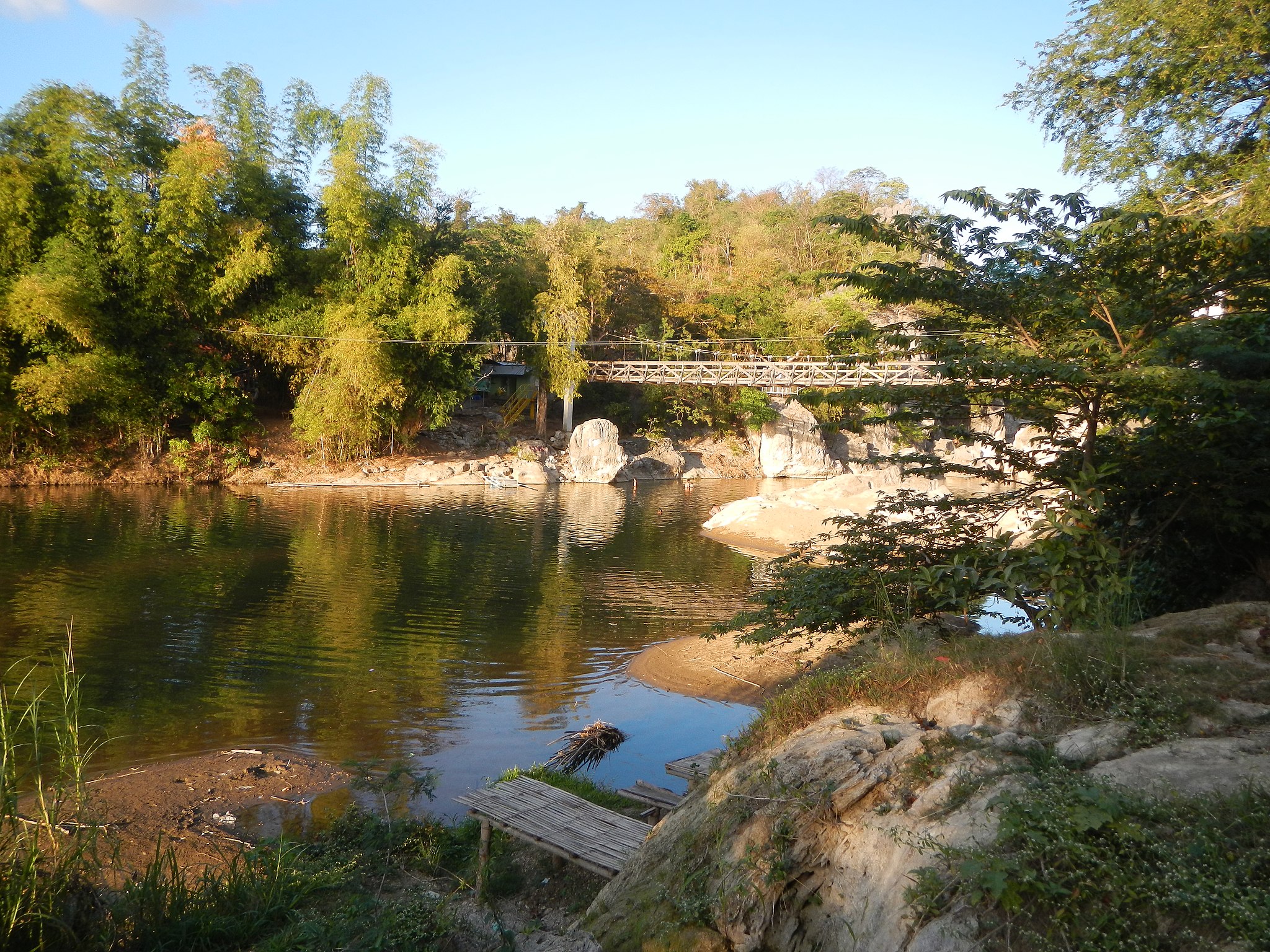
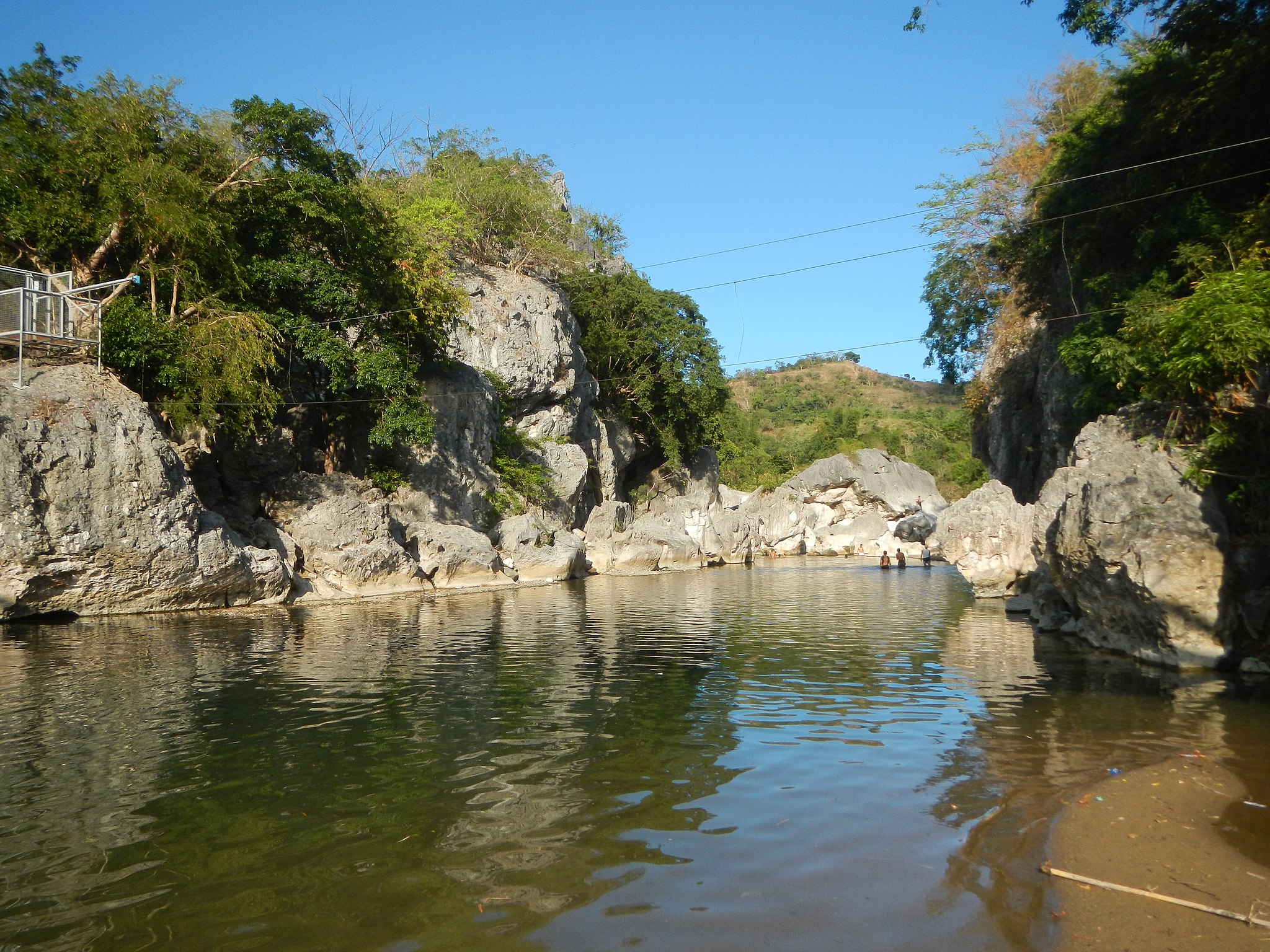
You’ll pass Madlum River on your way to the caves or Mt. Gola. It’s a great place for a picnic or a quick dip. Bring extra clothes, a waterproof phone bag, and maybe even sunglasses to enjoy the river comfortably.
Visit Tilandong Falls
If you have time, drop by Tilandong Falls nearby. It’s a serene spot perfect for cooling off after a long hike. You can ask your guide to include it in your itinerary.
Expenses
- Park Entrance Fee: PHP 30
- Guide Fee: PHP 300 for 10 persons
- Caving Fee: PHP 150 per cave
- Headlamp Rental: PHP 30
Food
You’ll find small stores near the registration area. Beyond that, food is hard to find. Bring your own meals or pack a picnic in your luggage.
How to Get to Biak Na Bato National Park
By Public Transport
- Take a bus to Cabanatuan or Gapan City via San Miguel, Bulacan (not SCTEX).
- Travel time: 2 to 3 hours.
- Fare: PHP 100 to 200.
- Get off at Brgy. Kamias or Camias.
- Ride a tricycle to Biak na Bato National Park (PHP 250 to 400 per ride).
By Car
- Use Google Maps.
- Take the North Luzon Expressway and exit at Sta. Rita.
- Follow Plaridel Bypass Road to San Miguel.
- At Brgy. Kamias, ask locals for directions to Brgy. Madlum.
Travel Guide Tips
- Be in good shape to enjoy everything.
- Bring your own food. No eateries inside.
- Pack extra clothes if you plan to swim.
- Use quick-dry sandals or sturdy shoes.
- Wear sunblock and proper hiking clothes.
- Bring waterproof bag for phone.
- Carry enough water in your reusable water bottle.
- Follow park rules. No littering or vandalism.
- Get travel health insurance in case of accidents.
Sample Itinerary for Biak Na Bato National Park
4:00 AM – Leave Manila
6:30 AM – Arrive in Bulacan
7:00 AM – Register at the park and eat breakfast
7:30 AM – Start hike to Mt. Manalmon
9:30 AM – Reach the summit and take photos
10:30 AM – Hike down to Madlum River
11:00 AM – Eat lunch and enjoy swimming
12:30 PM – Visit Madlum Cave
2:00 PM – Explore Bayubok Cave
3:30 PM – Optional stop at Tilandong Falls
4:30 PM – Return to the registration area and wash up
5:00 PM – Head back to Manila
Best days to visit are Sunday and Thursday when crowds are more manageable and weather is often pleasant.
We hope this 2025 travel guide to Biak na Bato National Park in San Miguel, Bulacan helps you plan a great trip. It’s a place full of history, nature, and fun.
Enjoy hiking, exploring caves, and learning more about our past in one beautiful destination. It is a spot where Filipinos, visitors, and tourists can learn about the Philippine Revolution, Filipino revolutionaries, and the role of the Spanish government in shaping our heritage.
FAQ
Biak-na-Bato National Park holds great historical value. It was where Emilio Aguinaldo established the Republic of Biak-na-Bato in 1897, the first attempt at a Philippine republic. The park was declared a national park by President Manuel L. Quezon in 1937 to preserve its rich heritage and natural beauty.
The name “Biak-na-Bato” translates to “split boulder” in English. It refers to the area’s rocky landscape and natural caves, which revolutionaries used as hideouts during the Spanish colonial era.
Caves in the Philippines are protected under Republic Act No. 9072, also known as the National Caves and Cave Resources Management and Protection Act. It ensures that caves and their resources are conserved and protected from vandalism, destruction, and unregulated tourism.
About the Writer

Hey, I’m Lyza! I once was a person who just imagined going to places “one day” but decided to pursue my dreams. My first travel abroad was in Japan, solo, last 2018, and fell in love with the journey since. I’m aiming to visit 10 countries before turning 30 and 2 new places in the Philippines every year. Besides traveling, I love organizing trips, photography, reading, and making new friends. Follow my adventures through my Instagram.