
Applying for a USA B1/B2 tourist visa for the first time can feel intimidating. Many travelers feel nervous before the interview, especially when they’re unsure what questions will be asked or how to answer them confidently. The good news is that most visa interviews follow common patterns. Here are 20 common USA B1/B2 tourist visa interview questions and tips to help you prepare before your appointment.
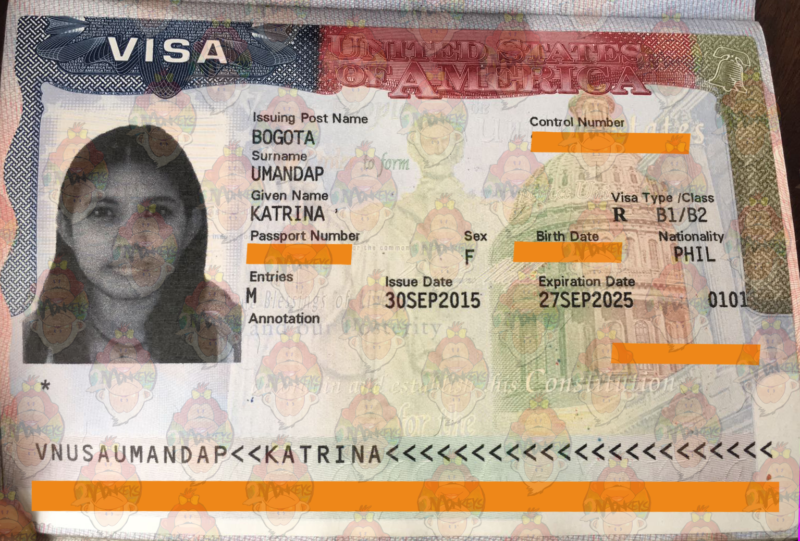
My first tip for you: STOP being PESSIMISTIC about the visa application process. Just stay calm and prepare for the process as well as you can. It’s normal to feel nervous at this particular time.
But instead of focusing on any refusal, practice giving honest, clear, and direct answers. Confidence is not enough. You need to be honest and be prepared first of all.
You see, if you keep thinking you’ll be denied, it will manifest all day at your interview. You will look nervous. Your voice will crack. It might arouse suspicion. That’s the perfect formula for a denied visa!
You want to answer with confidence, not panic.
The goal is not to memorize perfect answers. It’s to show honest travel plans, clear finances, and strong nonimmigrant intent.
Aside from the basic required documents, it’s also important that you know how to respond to the tourist visa interview questions correctly. While financial stability can help support your application, it does not guarantee approval. You need to answer honestly and confidently during the B-2 visa application interview.
This post may contain affiliate links. If you purchase through these links, we may earn a commission at no extra cost to you.
Improve Your English Confidence Before the Visa Interview
Clear and calm answers can help a lot during the interview. If English is not your first language, make sure to practice. Simple answers sound more credible when spoken calmly and clearly. Some applicants practice interview-style English using structured tools like Rosetta Stone’s language learning program which focuses on listening and speaking rather than memorizing grammar rules.
This can be especially helpful for first-time applicants who feel nervous answering questions in English.
To help you prepare, here are some of the most common questions and topics that may come up during a US B1/B2 tourist visa interview.
Always remember, NEVER LIE. The consular officer can review the information you provided in your DS-160 and may have access to your previous visa and travel-related records.
Also, keep in mind you may want to consider getting travel and medical insurance, especially as a first-time traveler.
NOTE: Visa rules, appointment steps, interview waiver eligibility, fees, courier instructions, and required documents may change. Always check the latest instructions from the official US Embassy or Consulate website before your appointment.
Consular Officer’s Questions in the Interview
Here are some common questions, instructions, and topics covered during a US B1/B2 tourist visa consular interview to help you prepare for your application:
1. Why do you want to go to the USA?
Your reason may be a vacation, family visit, conference, wedding, or another short-term purpose. Just make sure your answer matches your real travel plan.
If your purpose is simply tourism, explain that clearly. You want to go on a tour and see what the United States has to offer. After all, you are applying for a US tourist visa. Your answer should be as simple as that.
2. Have you been to the USA before?
Don’t say yes unless it’s true. You might think giving a “yes” answer can be your instant ticket to getting a visa. But you are wrong! If you have never been to the US before, don’t lie. Just be honest because lying will get you nowhere.
3. Why do you plan to travel at this time?
Say that it is your most available time or that it is your annual leave from work. If you have other reasons, such as having enough savings recently for tourism purposes, then tell them that.
4. Who are you going with to the USA?
Are you going with your spouse, family member, or friend? Just make sure you know the basic information about the people you are going with.
If you are visiting someone you met online, be extra prepared to explain the relationship honestly. You may also want to consider meeting first in your home country before applying for a US tourist visa.
5. Which places are you planning to visit?
It wouldn’t hurt to research the places you plan to visit before your interview. And when you make your travel plans, I suggest that you start with the spots near your accommodation because it is more feasible.
If you previously traveled to places like London or other cities in the UK, you can also mention that. But only do so if the officer asks about your travel history.
Let me know if you need further help with this, and I would be more than willing to help you.
6. How long do you plan to stay in the USA?
Carefully study your travel itinerary and planned expenses, and base your answer on that. Or if you are an employee, check your leave credits and talk to your Human Resources representative about your allowed leaves. If you can bring a form or letter during your interview stating your leave credits, that can help as well.
If approved, many Filipino applicants may receive a multiple-entry visa. The validity period, however, is not guaranteed. Always check the visa details printed on your passport once it is issued.
7. Can you stay for a shorter period of time?
Explain your answer based on your itinerary, leave credits, budget, and travel purpose. And if someone from the US will be your tour guide, simply say that you need to stick to their schedule. Explain why that length of stay makes sense based on your actual travel plans.
8. How much do you think it will cost you to stay in the USA?
This is why we strongly suggest that you create an itinerary for your US trip. It gives you an idea of how much funding you might need to spend for the entire vacation.
You can contact me, and I can help you with your USA Itinerary.
9. What do you do for a living?
Tell your job, your businesses, and other side jobs, if any. If you are an active public speaker, freelancer, business owner, or online worker, explain your work clearly and briefly. This helps the consular officer understand your work situation and ties to your home country.
Similarly, they need to know that you are established in your home country and that you are not going to the US for greener pastures.
Here are a few supporting documents you may prepare. The consular officer may or may not ask to see them:
- Certificate of Employment
- Proof of Income for the last 3 months
- Business permits
- Bank statements
Be prepared and bring these documents to your interview. Most of the time, the Consul won’t ask you to show the proof.
If you work online, prepare proof of income such as bank statements, payment platform records, client contracts, invoices, tax records, or an online portfolio.
10. How much do you earn for a living?
Just tell the correct figures. Be honest and make sure your answer matches the information you provided in your DS-160 form and any supporting documents you bring.
If the officer asks how you will afford the trip, be ready to explain your savings, income, sponsor, or planned budget.

11. How will you finance your trip?
Show proof that you saved to fund your own trip. If you’re being sponsored, get the information from your sponsors. Know what they do for a living and get the necessary supporting documents.
Remember, having a sponsor does not automatically guarantee approval. The officer will still look at your situation. This includes your purpose of travel, finances, work, strong ties to family, and reason to return home.
12. Do you have relatives in the USA?
Never lie or deny this, even if you won’t visit them on your trip. You need to know their names and a few basic details, including their status in the US. If they ask, you can show documents or photos.
13. Do you have friends in the USA?
Similar to relatives, know their names and basic details if they are part of your travel plans. If they are not involved in your trip, say so honestly.
14. What are their exact addresses?
Try to get the exact home address before the interview. Don’t just say that they live in Los Angeles or in New York. Be specific. Review the information before the in-person interview. Always come prepared, especially if you mentioned them on your online application.
15. How long have they been living in the US? What is their current status? (for visiting relatives or friends)
I strongly encourage you spend time chatting and interviewing your relatives and friends in the US if the purpose of your visit is to meet them. It will really help you to become more confident in front of the consul.
16. Where are they working? What will you do during office hours? (for visiting relatives or friends)
Be ready for follow-up questions. It might be redundant, but that’s how they will know if you are telling the truth. And when asked what your plans are while your hosts are working, you can say that you are planning to go on short solo day trips near the area so that you can maximize your stay.
17. Do you have plans to work in the USA?
Your answer should be “no”! A tourist visa does not allow you to work in the United States.
If your trip is for tourism, visiting family, attending a wedding, or seeking short-term medical treatment, explain that clearly.
Keep your answer direct. Do not mention job hunting, paid work, or plans to look for opportunities while visiting. You don’t want to make it sound like you plan to stay permanently or work without authorization.
18. Have you already booked your plane tickets?
Look for possible booking dates and say that you are eyeing those dates for your US trip. Have the flight details ready, if possible. But don’t pay for the flights yet until you get your visa approved. The flight ticket is not a requirement!
19. Have you traveled to other countries before?
If you have traveled before, answer honestly and mention the countries you visited. If you have not traveled yet, do not worry. Focus on explaining your purpose, finances, and reasons for returning home.
Previous international travel can help show that you follow immigration rules, but it is not the only factor.
20. How can you assure that you will come back home?
Show the letter from your employer, if you have one. If you have businesses that you currently take care of, explain them. Or, you can tell them that you don’t plan on ruining your travel records because you still plan to see more places in the future.
My General Tips? Be Prepared and Never Lie!
These consuls are professionals. They are trained to evaluate your answers, so always have the best intentions. We want you to have clear records and good credibility so you can travel the world without facing challenges.
If you need further guidance with your application, contact me here. I’ll also be releasing some prepared itineraries that you can use for visa applications.
Note: This article is for general guidance only and is not legal advice. Also, I am not a ‘travel agent,’ but I can help with your online application. Let me assist you in preparing for your interview. I can also help you organize your requirements. I can even suggest an itinerary, which you’ll need when you apply for a visa.
FAQs
A nonimmigrant visa is for a temporary stay in the United States. A B1/B2 visa is one example, along with other temporary US visas.
Avoid using conversation fillers such as ‘like’, ‘ummmm’, or ‘I guess’ in a sentence when you are responding to a question.
Don’t say anything untrue, unclear, or inconsistent with your DS-160 form. Do not mention plans to work, overstay, or apply for a green card during a short tourist visit.
Your photo should show your current appearance and must usually be taken within the last six months. Face the camera directly, keep your head centered, eyes open, mouth closed, and use a neutral expression. The photo must be 2 inches by 2 inches.
Most applicants need to attend an interview at the US Embassy or Consulate, but some may qualify for an interview waiver. Always follow the latest instructions given when you schedule your appointment.
Keep your answers short, honest, and direct. Bring supporting evidence, but only present documents if asked. The officer should quickly understand your travel purpose, finances, and reason for returning home.
Bring your passport, appointment confirmation letter, and DS-160 confirmation page. You may also prepare proof of employment, annual income, bank statements, business documents, travel plans, and other supporting evidence.
If you have your own business, bring documents that show it is active and legitimate. These may include business permits, tax records, bank statements, invoices, or documents from local chambers, if applicable.
If your visa is approved, your passport is usually returned through an authorized courier or pickup location. Follow the delivery instructions provided by the US Embassy or Consulate.
A credit card may help show available spending capacity, but it should not be your only proof. It is better to also show savings, income, employment, or business records.