
Crossing the Congo River from Brazzaville to Kinshasa is one of the most unique travel experiences in Central Africa. Since the 2 capital cities sit directly across from each other, many travelers, expats, and overlanders use the ferry route to travel between the Republic of the Congo and the Democratic Republic of the Congo.
However, the crossing process can sometimes feel confusing for first time visitors. From visa checks and port fees to unofficial charges and common scams, it is important to know what to expect before arriving at the port.
In this guide, we’ll share practical tips for crossing from Brazzaville to Kinshasa safely, including what documents you may need, common mistakes to avoid, and how travelers can reduce the risk of getting scammed during the journey.
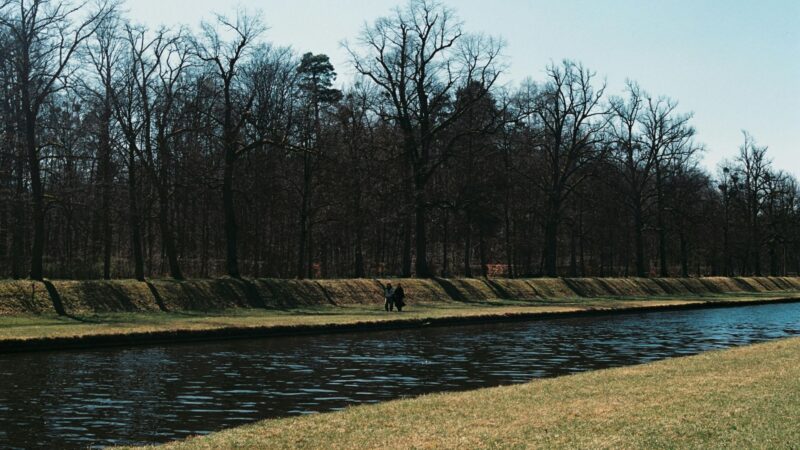
It stretches over 4,700 km (about 2,920 miles) through Central Africa. That’s more than 1.7 million square miles of basin! It flows through countries like Angola, Zambia, Cameroon, and Tanzania. The Congo River is also the deepest river in the world and plays a vital role for local communities, trade, and geography across the Congo Basin.
1. Prepare All Documents and Essentials
A brief but important adventure is the river crossing between Congo Brazzaville and Kinshasa. Make sure you have all of your travel documents together before you leave. If required, an international driving permit.
Before you head out, make sure all your documents are complete. This includes your passport, visa, and, if needed, your international driving permit. Missing paperwork can lead to fines or denied entry by strict Congolese authorities.
Carry local currency for taxis and small fees. Unfortunately, some officials or police may ask for sudden “charges.” Avoid paying bribes unless truly necessary.
2. Choose Your Transportation Wisely
Ferries are the most common way to cross the Congo River. To reach them, you’ll likely need a taxi. Be careful when choosing your ride.
Choose a trustworthy taxi driver. Avoid suspicious or unlicensed vehicles. Some drivers may try to take you to unknown areas, which increases the risk of scams.
I found it safest to use well-known routes. Never travel with strangers.
3. Crossing the Congo River
The boat trip is brief. But there are some important things to keep in mind. Keep your travel documents easily reachable. Officials from both countries will check them multiple times.
The ports have limited infrastructure. Roads leading to them can be rough. Stay alert. Keep your belongings close. Avoid showing off valuables like phones or cameras. These attract unwanted attention.
Avoid people who offer to “help” with your passport or visa. These people are often scammers. They look for easy money from tourists. Only talk to authorized personnel. Ask for a supervisor if you’re unsure.
Stay aware of local news. It often reports scams targeting tourists.
This part of the river was once called the Upper Congo. Its headwaters begin in the Chambeshi River. The Lualaba River forms the upper part of the Congo. It passes near the borders of Angola and Zambia. You will also pass near the Malebo Pool, a wide stretch of river that separates Kinshasa and Brazzaville.
The river’s navigability is affected by many rapids and cataracts. This limits long-distance travel, especially for cargo. Still, it provides vital connections between regions.
4. Navigating Scams and Staying Safe
Scams are common in this region. Tourists are often the targets. One scam involves people posing as police or local officials. They ask for your documents. Then they demand money to return them.
Ask to see ID if someone claims to be an official. Real authorities will have proper ID. They won’t ask for cash directly. Paying bribes is illegal. It also puts you at greater risk.
Avoid nonessential travel in unstable areas. These include North Kivu and near Virunga National Park. These places are beautiful. They include Mount Nyiragongo. But they also carry risks, like armed conflict or accidents.
Keep your travels focused on safer areas. If you want to explore beyond Brazzaville and Kinshasa, check with local authorities. Make sure it’s safe.
You might also want to learn more about Stanley, the explorer who mapped the Congo, and the role of the Belgians during the colonial era. These stories reflect the long history of exploitation in the region.
5. Emergency Services and Local Laws
Emergency services in Brazzaville and Kinshasa are limited. Be prepared to handle small problems on your own. Help may not arrive right away.
Follow local laws carefully. Breaking the rules can lead to fines or even jail.
The Heart of Darkness by Joseph Conrad was inspired by this very river. He traveled here during the colonial rule of Belgium under King Leopold.
Today, the past still shapes life in the region. Scientists, NGOs, and tourists all explore here. The lush rainforests of the Congo Basin face challenges like deforestation, which also impact local communities and wildlife.
There is still much to learn and appreciate. But only if you stay safe and prepared.
6. Know the Local History and Respect the Culture
Learn about the region’s history. Figures like Stanley and Mobutu Sese Seko shaped its past. The river was also key to the rubber trade and European exploitation during Belgian rule.
Modern issues like deforestation affect the rainforests, biodiversity, and forest elephants in the Congo Basin. Show respect to the land and its people. Avoid insensitive behavior.
Understanding the local background helps you blend in, stay respectful, and steer clear of trouble.
Final Tips Before Crossing the Congo River
Crossing from Brazzaville to Kinshasa can be one of the most memorable travel experiences in Central Africa. While the process may feel overwhelming at first, being prepared ahead of time can help make the journey smoother and less stressful.
Before heading to the port, make sure your travel documents, visa requirements, and transportation plans are organized. Stay alert, avoid unofficial “helpers,” and use trusted transportation whenever possible to reduce the risk of scams.
The Congo River region is known for its rich culture, powerful landscapes, and unique history. With proper planning and awareness, travelers can safely experience one of the world’s most fascinating river crossings.
FAQ
Kinshasa is known for its music. It’s the capital of the Democratic Republic of the Congo and is called the home of Congolese rumba, a popular dance music.
No, it’s not safe. The water has strong, fast currents and can flood during the rainy season. There are also dangerous animals like crocodiles and hippos.
Yes, the Congo River flows near Kinshasa. It comes from Kisangani and travels over 1,000 miles before reaching close to the city.